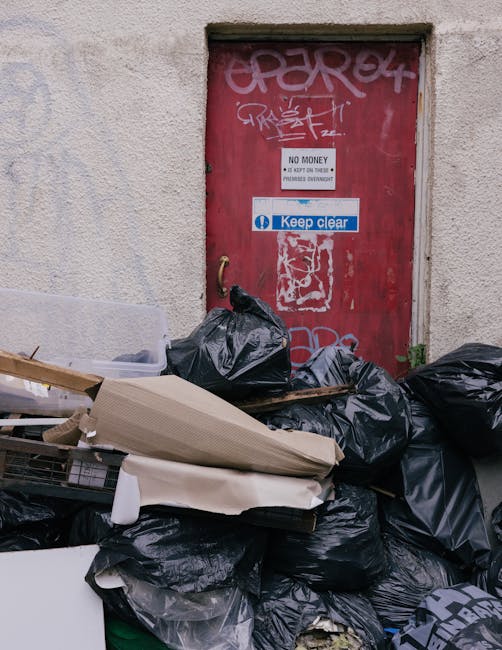
Turnham Green office rubbish clearance for local businesses
If your office in Turnham Green is filling up with broken desks, old monitors, packaging, archive boxes, or just the kind of clutter that sneaks up over time, you are not alone. Turnham Green office rubbish clearance for local businesses is one of those jobs that sounds simple until you are the one trying to sort access, disposal, timing, recycling, and staff disruption all at once. Truth be told, the last thing most business owners want is a skip outside the front door when customers are walking past the windows.
This guide breaks down what office rubbish clearance actually involves, why it matters for local businesses, how the process usually works, and what to look out for before booking. You will also find practical checklists, comparison points, compliance notes, and a real-world style example to help you make a sensible decision without fuss. Let's keep it clear, local, and useful.
Why Turnham Green office rubbish clearance for local businesses Matters
An office clear-out is rarely just about "getting rid of stuff". In a busy area like Turnham Green, where businesses often work in compact premises, shared buildings, or on streets with limited loading space, waste can become a real operational problem fast. Boxes pile up by the copier, old chairs get shoved in a corridor, and suddenly your team is stepping over clutter every day. That is not just untidy; it changes how people work.
Good office rubbish clearance helps local businesses stay organised, compliant, and presentable. It also supports a smoother working day. Staff can move safely, clients are not greeted by a stack of dismantled furniture, and you are less likely to let recyclable materials, confidential paperwork, or unwanted electronics sit around longer than they should. In our experience, the mess is usually not the headline issue. The knock-on effects are.
For Turnham Green businesses, there is also the local reality of access. Some offices sit above shops, some are tucked behind high street frontages, and others are in shared commercial buildings where timing matters. If waste removal is badly planned, it can create noise, block pavements, or interrupt neighbouring businesses. Who wants that on a Wednesday morning? Nobody, really.
Practical takeaway: office rubbish clearance is not only about space. It is about safety, presentation, compliance, and keeping the business running without avoidable friction.
There is also a sustainability angle. Many local businesses now expect waste to be handled responsibly, with as much as possible routed away from landfill through sorting, reuse, or recycling. That expectation has shifted. You can feel it in how clients talk about suppliers, and even in how staff respond to workplace standards. A tidy, well-managed clearance sends the right message without saying a word.
How Turnham Green office rubbish clearance for local businesses Works
Most office clearances follow a similar pattern, though the exact approach depends on the size of the premises, the type of waste, and how quickly it needs to be removed. For a small office, it might be a straightforward same-day collection. For a larger business or a phased refurbishment, it could take several visits and a more structured plan.
Typically, the process begins with a quick assessment. That may happen over the phone, by photos, or through a site visit. The provider will want to understand what needs removing: office furniture, general rubbish, cardboard, electrical items, archive materials, or mixed commercial waste. If you have bulky items like filing cabinets, reception desks, or old meeting tables, those details matter because they affect vehicle size, labour, and time on site.
From there, the removal team arrives with the right equipment and starts loading. Some jobs are carried out as a full clearance, where all unwanted items are removed in one go. Others are more selective, especially when the office is still in use. That is when timing and careful room-by-room sorting make the difference between a smooth job and a chaotic one.
If you need a broader clean-out that includes desks, shelving, and old office furniture, a dedicated office clearance service is often the cleanest fit. If the waste is more mixed and you need to clear a wider business space, many local companies also compare that with commercial skip hire or rubbish removal depending on site access and how hands-on they want the job to be.
One small but important point: waste segregation should happen early, not at the last minute. Paper, cardboard, metal, electronics, and confidential documents are not all handled in the same way. If you separate them ahead of time, the job tends to be faster, cheaper, and less stressful. Simple. Not always easy, but simple.
Key Benefits and Practical Advantages
There are obvious benefits to clearing office waste, but the practical ones are often stronger than the cosmetic ones.
- Better use of space: reclaim desks, storage corners, meeting rooms, and walkways that have quietly become dumping grounds.
- Safer working conditions: fewer trip hazards, blocked exits, and awkward stacks of items leaning where they should not be.
- More professional appearance: useful when clients, suppliers, or landlords are visiting.
- Less staff distraction: a cluttered workplace tends to drain focus more than people admit.
- Improved recycling outcomes: more of the waste can be sorted correctly when the clearance is planned properly.
- Less downtime: a good provider can remove waste quickly and keep disruption low.
- Better preparation for moves or refurbishments: easier to start the next phase once the old material is out.
There is a quieter benefit too: peace of mind. You stop thinking about the pile in the back room. That may sound small, but if you run a business, it is one less nagging thing taking up mental space. And frankly, there are already enough of those.
Local businesses also benefit from better planning around access. In turn, that can reduce the risk of delays caused by parking issues, narrow streets, or building restrictions. If your office sits near busier parts of Turnham Green, getting the timing right can make the whole job feel almost boringly efficient. Which, in waste removal, is actually a compliment.
Who This Is For and When It Makes Sense
This service is useful for a wide range of local organisations, not just large corporate offices. In fact, smaller businesses often need it more urgently because they have less spare space and fewer internal facilities for storing unwanted items.
It may make sense if you run:
- a small office above retail premises
- a shared workspace or serviced office
- a professional practice with archive storage
- a start-up moving into or out of rented space
- a business refurbishing a reception, meeting room, or back office
- a company dealing with end-of-lease clear-out requirements
- a local firm replacing old furniture or equipment
It also makes sense when the waste is awkward. Old printers, broken monitors, tangled cabling, heavy filing cabinets, and mixed rubbish are not the sort of things you want your staff handling with a vague plan and a borrowed trolley. Let's face it, that usually ends in more mess than progress.
Another scenario is a partial clear-out. Maybe you are not moving out entirely, but you need to reset a storage room or clear old stock from a forgotten corner. Those smaller jobs can still benefit from proper clearance rather than ad hoc disposal. The task might look minor. It rarely stays minor for long.
Step-by-Step Guidance
If you want the job to go smoothly, treat the clearance like a mini project rather than a loose errand. A bit of structure goes a long way.
- Walk the premises and identify what needs to go. Be specific. "Old office stuff" is not enough. Separate furniture, electrical items, cardboard, general rubbish, and anything sensitive.
- Flag anything confidential or regulated. Paper records, drives, and client files should be treated carefully. If shredding is required, keep it out of the general pile.
- Check access and timing. Measure doorways if needed, note stairs or lifts, and think about loading restrictions. A truck arriving at the wrong time can create unnecessary delay.
- Decide whether you need labour only, removal, or a container-based solution. For some offices, a clearance crew is best. For others, a skip or enclosed container may fit the site better.
- Get clarity on what is accepted. Mixed commercial waste is one thing; hazardous or specialist waste is another.
- Schedule the work with your staff in mind. Early mornings or quieter trading hours often work best. If you can do it before the office fills up, even better.
- Confirm disposal and recycling handling. Ask how items will be sorted and where possible recycling routes are used.
- Do a final sweep. Check cupboards, drawers, under desks, and the back of storage rooms. That one forgotten box can irritate you for weeks.
If the job involves bulky items or a difficult load-out, it can help to compare clearance methods with options such as man and van removal, wait and load skip hire, or a more straightforward same-day skip hire arrangement. Different premises, different headaches.
Expert Tips for Better Results
A few small decisions can make a surprisingly big difference. The best office clearances are rarely the ones with the fanciest equipment. They are the ones that are planned just well enough to avoid mess, delay, and confusion.
Sort before the team arrives. Even basic pre-sorting into "keep", "recycle", "shred", and "remove" can cut the time on site. It also reduces the chance of items being handled incorrectly.
Keep access routes clear. It sounds obvious, but chairs, cables, delivery cages, and half-open boxes can slow everything down. Clear the path from storage points to the exit. It makes the whole job feel calmer.
Ask about recyclable fractions. Cardboard, metal, and some office furniture components can often be diverted from general waste. If a provider offers waste recycling services, that may improve the environmental outcome and simplify your own reporting.
Do not ignore confidential materials. Shredding is not just for big corporations. A single drawer full of client documents can create a real problem if it ends up in mixed waste. If you handle sensitive records, consider confidential shredding as part of the plan.
Choose timing that suits the building, not just your calendar. In a shared office or mixed-use premises, quieter collection times can prevent friction with neighbours. Small thing. Big difference.
Be realistic about volume. Offices tend to hide waste well. What looks like three bags can easily become a van load once furniture and packaging are added. Better to be a touch conservative when planning.
And one slightly cheeky tip: if you are unsure whether something is waste or "just moving around the office for later", it is usually waste. We have all seen that chair. You know the one.
Common Mistakes to Avoid
Most problems with office rubbish clearance come from rushed decisions, not bad intentions. The tricky part is that the mistakes often look harmless at first.
- Leaving the clearance too late: this usually means more disruption, less choice, and a more expensive scramble.
- Mixing everything together: cardboard, e-waste, confidential paper, and general rubbish all dumped in one place can create sorting problems.
- Forgetting access restrictions: lifts, narrow stairwells, parking controls, and building rules can affect how the job is carried out.
- Ignoring hazardous items: batteries, chemicals, and certain electrical components need special handling.
- Assuming all providers handle office waste the same way: they do not. Some are better for bulky furniture, others for mixed clearance, others for urgent removal.
- Not checking paperwork needs: this matters if you need proof of responsible disposal for landlords, compliance teams, or internal records.
One common slip-up is treating a clearance like a one-size-fits-all service. It rarely is. A small law office with archive boxes and desks has different needs from a creative studio with broken monitors, display materials, and packaging waste. Similar surface problem, very different practical answer.
Another mistake is underestimating the emotional side of an office clear-out. Sounds odd, maybe, but people often keep old items because they represent projects, people, or a previous version of the business. A respectful, tidy process helps. It is not just hauling away clutter. It is making space for the next stage.
Tools, Resources and Recommendations
You do not need a truckload of specialist tools to manage an office clearance well, but a few basic resources help a lot.
- Room-by-room inventory list: useful for deciding what stays, what goes, and what needs special handling.
- Labelled boxes or bags: ideal for separating paper, electronics, and general rubbish before collection.
- Basic measuring tape: surprisingly helpful for bulky furniture, lift access, and corridor clearance.
- Photographs of the waste area: good for getting an accurate quote and preventing surprises on the day.
- Archive disposal log: handy when you need to track confidential documents or old records.
- Building access notes: keep entry codes, parking rules, and loading instructions in one place.
As for service types, local businesses often compare office clearance with broader commercial waste solutions. For recurring waste streams, skip hire may work well. For jobs where you need a quick load and go, grab hire services or grab lorry hire can be more practical. If the site is tight or the waste needs loading by hand, a clearance team may be the cleaner option.
There is no magic formula. The right choice depends on volume, access, time pressure, and what the waste actually is. That is the real decision-making grid. Everything else is noise.
Law, Compliance, Standards, or Best Practice
Waste from offices is not just a tidy-up issue. It has compliance implications too, especially where commercial waste, electrical items, confidential material, or potentially hazardous waste is involved. The exact obligations can vary depending on the waste type and how your business handles it, so cautious planning is sensible.
In everyday terms, the main best practices are straightforward:
- do not mix hazardous and non-hazardous waste without checking how it must be handled
- keep confidential records out of general waste
- choose a provider that can explain how waste is sorted and disposed of
- retain any paperwork or confirmation you need for your own records
- check building rules and local access restrictions before work starts
For offices with old electronics, printers, cables, or screens, it is wise to treat electrical waste carefully rather than assuming it can go out with standard rubbish. If you are disposing of items that may contain sensitive data, a separate document destruction or confidential shredding process is often the safer route. That sort of caution is boring until the day you wish you had used it.
Health and safety matters as well. Heavy lifting, awkward carrying routes, sharp edges, and broken furniture can all cause avoidable injuries if the job is rushed. A professional provider should have sensible procedures, insurance, and a clear approach to safe loading. If you are comparing suppliers, you may want to review their health and safety policy and insurance and safety information before booking.
Best practice also means working in a way that supports recycling wherever possible. Many offices generate a mix of reusable or recyclable items, and a responsible provider will separate materials rather than sending everything to general disposal. That is not just good manners; it is good business.
Options, Methods, or Comparison Table
There are several ways to handle office rubbish clearance in Turnham Green, and the best one depends on how much you are removing, how fast it needs to happen, and how much disruption you can tolerate.
| Method | Best for | Pros | Watch outs |
|---|---|---|---|
| Office clearance team | Mixed office waste, furniture, and full or partial clear-outs | Hands-off, quick, suitable for awkward items | Needs access planning and may cost more for very small jobs |
| Skip hire | Planned clear-outs with space for on-site loading | Flexible for ongoing work, useful for larger volumes | Needs space, and sometimes a permit or careful placement |
| Wait and load | Busy streets or locations with limited parking | Fast, avoids leaving a skip outside | Requires preparation so the team can load efficiently |
| Grab hire | Bulkier waste where access allows a grab vehicle | Good for heavy loads and larger volumes | Needs suitable loading space and waste positioning |
| Man and van | Smaller office clearances and mixed items | Flexible, often useful for lighter or quicker jobs | Not always ideal for large furniture or high volumes |
If you need to compare pricing structures, some businesses also look at skip sizes and prices alongside their clearance options. That is smart. It helps you avoid paying for capacity you do not need, or booking something too small and having to start over.
For offices with mixed materials and a need for neat presentation, enclosed or lockable containers can also be worth considering. They help keep waste out of sight, which is handy if the job takes more than one day or the premises stay open to the public.
Case Study or Real-World Example
Imagine a small marketing agency on a Turnham Green side street. The team has grown, the old meeting table is wobbling, there are two broken printers in storage, several boxes of outdated brochures, and a back room full of packaging from recent deliveries. Nothing dramatic. Just enough to be annoying every single day.
They start by listing everything that needs to go. The office manager separates confidential paper, cardboard, electrical items, and furniture. They book a clearance for early morning before the team arrives, which matters because the building shares a narrow access route with another business. No one wants a loading conflict before coffee.
On the day, the clearance team removes the bulky furniture first, then the mixed waste, then the recyclable cardboard. The old archive boxes are kept separate for shredding. By lunchtime, the cluttered room has become usable storage again. More importantly, the team can walk through without stepping around random boxes, and the reception area looks like a business again rather than a temporary holding pen for discarded office life.
The lesson here is not that every office needs a complicated plan. It is that a little structure makes the job faster, tidier, and less disruptive. Small office, small chaos. Still chaos, though.
Practical Checklist
Use this checklist before your office rubbish clearance. It keeps the process grounded and saves you from the usual last-minute scramble.
- Walk through every room and identify all items to be removed.
- Separate furniture, paper, cardboard, electrical items, and general rubbish.
- Set aside confidential documents for shredding or secure destruction.
- Check building access, parking rules, lift availability, and loading restrictions.
- Measure bulky items if doorway or stair access may be tight.
- Remove personal belongings from desks, drawers, and storage cupboards.
- Confirm whether hazardous waste is present before collection day.
- Decide whether you need skip hire, wait and load, grab hire, or full clearance.
- Ask how recyclable materials will be separated and handled.
- Keep any disposal confirmation or paperwork you may need later.
- Do a final sweep of overlooked corners, especially behind storage and under desks.
Quick summary: the smoother the sorting, the smoother the clearance. That is usually the whole game right there.
If you are ready to clear space, reduce disruption, and get your office back under control, take a moment to compare the service style that fits your premises best. For many local businesses, the right mix of planning and professional help is enough to turn a messy job into a straightforward one.
Get a free quote today and see how much you can save.
Conclusion
Turnham Green office rubbish clearance for local businesses is really about making work easier, safer, and more professional. Whether you are clearing a single back room or preparing for a full office changeover, the right approach saves time and reduces stress. It also helps you handle waste properly, which matters more than most people realise until the room starts filling up.
The best results usually come from simple habits: sort early, choose the right removal method, think through access, and keep confidential or specialist waste separate. Do those things well, and the rest tends to fall into place.
And once the clutter is gone, the difference is immediate. More space, less noise, fewer obstacles, better focus. A calmer office has a way of making the whole business feel lighter. It really does.
Frequently Asked Questions
What is included in office rubbish clearance for local businesses?
It usually includes removal of general office waste, old furniture, cardboard, equipment, and mixed commercial rubbish. Some providers also handle electronics, shredding, and recyclable materials separately.
How quickly can office rubbish be cleared in Turnham Green?
Timing depends on the amount of waste, building access, and the method you choose. Smaller jobs can often be arranged quickly, while larger clearances may need more planning.
Is office clearance better than hiring a skip?
It depends on your site and how hands-on you want to be. Office clearance is better if you want a team to remove everything for you. A skip can work well if you have space and want to load items yourself over time.
Can you remove office furniture and electronics together?
Yes, but they should be sorted properly. Furniture, electrical items, and paper waste are often processed differently, so separation helps with recycling and compliance.
What should I do with confidential documents before clearance?
Keep them out of general waste and arrange secure destruction or confidential shredding. That reduces the risk of sensitive information being mishandled.
Do I need special arrangements for bulky office items?
Often, yes. Large desks, filing cabinets, and reception furniture may need extra labour, wider access, or a method like wait and load if space is tight.
Can office rubbish clearance help with recycling?
Yes. A good service will separate recyclable materials where possible rather than sending everything to general disposal. Cardboard, metal, and some office components are often good candidates for recycling.
What if my office is in a shared building or above shops?
Then access planning becomes especially important. You may need to think about stair routes, lift use, loading times, and keeping disruption low for neighbours or customers.
How do I know which clearance method is best?
Look at the volume of waste, how quickly it needs removing, whether you have on-site space, and whether you want a fully managed service or a more self-serve option.
Is office rubbish clearance suitable for small businesses?
Absolutely. Small businesses often benefit the most because they usually have less storage space and need clutter removed quickly and cleanly.
Do I need paperwork or confirmation after the waste is removed?
That depends on your internal processes, but many businesses like to keep confirmation for records, compliance, or landlord requirements. It is a sensible habit.
What items are usually not accepted with standard office rubbish?
Potentially hazardous waste, certain chemicals, and some specialist items may need separate handling. If you are unsure, it is always better to ask before collection day rather than guess.
If you are weighing up your next move, start with the waste you can see, then think about access, timing, and the sort of outcome you want. That alone usually points you in the right direction. A clear office has a quiet kind of energy about it, and that is no small thing for a local business trying to do good work well.